Evolution of the cyber-pet: Mapping the rise of the digital companion
Pets

Audio By Carbonatix
By Troye ZK for OLLOBOT, Stacker

Evolution of the cyber-pet: Mapping the rise of the digital companion
Have you ever imagined owning a pet that isn’t a living animal at all? In the age of artificial intelligence, the companions entering homes may not have fur or feathers, yet they are increasingly designed to occupy a meaningful place in everyday life. What once sounded like science fiction is rapidly becoming a consumer reality.
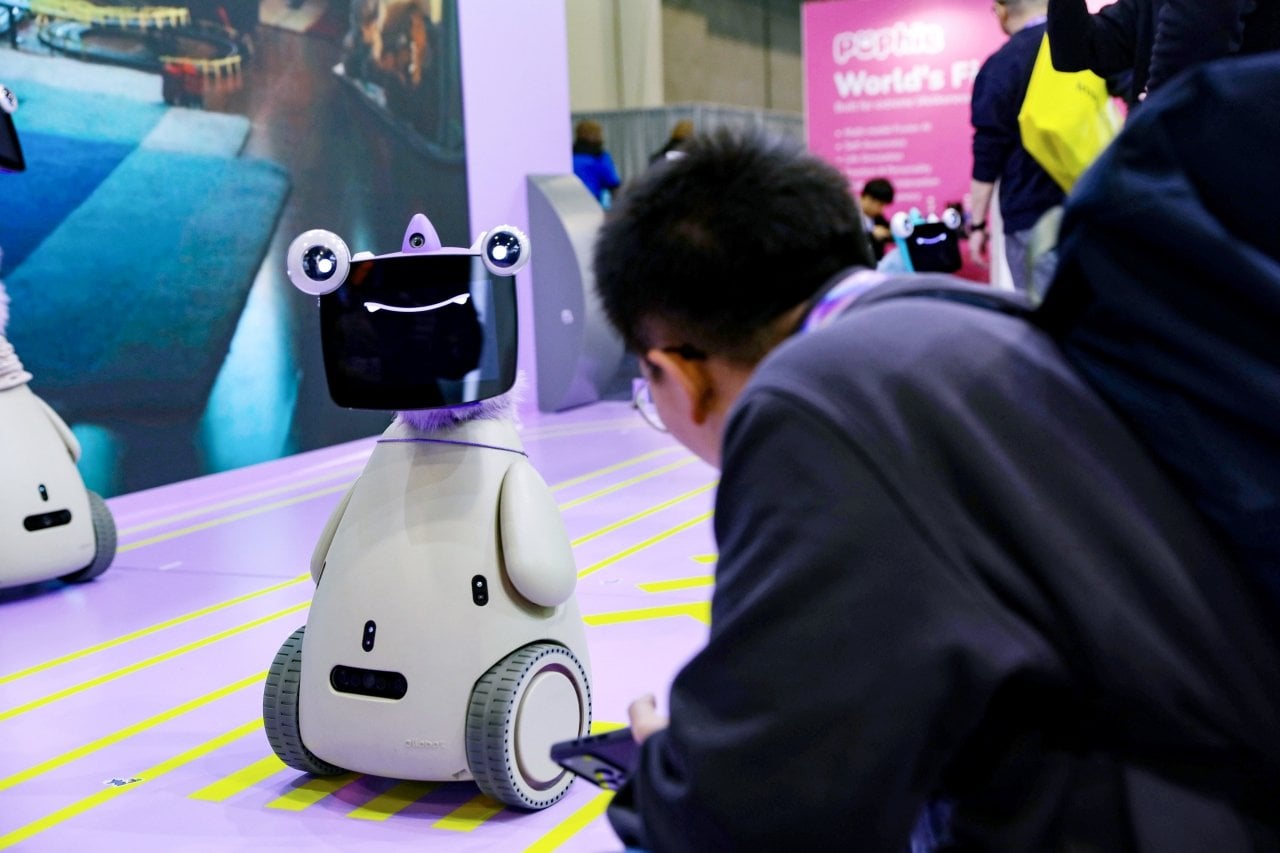
At CES 2025, a new wave of robot pets began to draw attention. That momentum carried into CES 2026, where the technology stage once again featured a striking variety of pet-like machines. From cyber-pets with glowing horns, palm-sized AI pocket pets to “desktop alien dogs,” these creations shared a common ambition: to present themselves as AI-driven companions capable of offering support when users need it, whether in daily routines or emotional moments.
The return of these diverse, character-driven companions at successive CES editions signals more than a passing trend. It reflects a renewed interest in digital pets as a category, one that has repeatedly evolved alongside advances in technology. To understand why cyber-pets are re-emerging now, OLLOBOT takes a look at how this idea first took shape, and how each technological era has reshaped what companionship can mean.
The 1990s: The Birth of the “Pocket Pal”
The story began in 1996 with a tiny, egg-shaped plastic keychain from Japan: the Tamagotchi.
Created by Akihiro Yokoi, Tamagotchi originated from a simple observation sparked by a television commercial. In the ad, a young boy wanted to take his pet turtle with him on a trip, only to be scolded by his mother and told to leave it at home. The scene led Yokoi to imagine a different possibility: a pet that could travel anywhere with its owner, a truly portable companion.
The design was simple—a low-resolution LCD screen with three buttons—but its impact was seismic. For the first time, a digital object demanded care. It had to be fed, cleaned, and disciplined. If neglected, it would die. This “neediness” created a psychological bond known as the Tamagotchi Effect, where humans develop real emotional attachments to inanimate machines. By the end of 1997, the phenomenon had sold over 70 million units, even leading to school bans.
The 2000s: The First Embodiment of Robotic Dog
In the new millennium, the pixelated screens of the 1990s gave way to physical sensors and early robotics. The pioneer of this era was Sony’s Aibo (Artificial Intelligence Robot), a robotic dog released in late 1999 that became the face of 2000s consumer tech.
Aibo could walk, wag its tail, and crucially, recognize its owner’s voice and face. The user experience shifted from “taking care of a tiny screen” to “interacting with a presence.” However, with a launch price of $2,500, Aibo remained a luxury for the few. While it proved that robots could simulate pet-like behavior, its high cost and the technical limitations of its “intelligence” meant that cyber-pet remained a niche hobby rather than a household staple.
The 2010s: The Rise of Mobile Virtual Pets
During the 2010s, the development of cyber-pets was defined less by hardware and more by the rise of mobile virtual pets, driven by the global adoption of smartphones. Unlike earlier generations of standalone digital toys, virtual pets in this decade lived primarily on mobile apps, making them always accessible and deeply embedded in everyday routines. Apps such as Talking Tom Cat, Pou, and mobile revivals of Tamagotchi transformed classic care-and-play mechanics, including feeding, cleaning, and training, into on-the-go experiences.
These mobile cyber-pets emphasize emotional engagement over technical complexity. Simple visuals, short interaction loops, and personalization features helped users form habitual, low-pressure bonds with virtual companions. Social sharing, mini-games, and in-app progression systems further increased stickiness, especially among younger users.
While advanced robotic pets like Sony’s Aibo captured headlines, mobile virtual pets quietly reached far larger audiences. By the end of the decade, they had normalized the idea that companionship could be digital, portable, and continuous, laying important groundwork for today’s AI-driven virtual companions.
The 2020s: Cyber-Pets with AI “Souls”
The rapid advancement of artificial intelligence in the 2020s has ushered in a new era of human-machine interaction. Large language models have made conversations with machines more natural and contextual, while constant experimentation with robotic applications is reshaping expectations of what technology can do at home. The idea of having a robot assistant as part of everyday family life no longer feels like distant science fiction; it is fast becoming a near-term reality.
A new generation of cyber-pets is emerging at the center of this shift. Supported by large language models, these AI-powered companions are no longer limited to simple commands such as “sit” or “stay.” Instead, they are designed to recognize tone, context, and emotional cues, allowing interactions to feel more responsive. With the addition of high-definition cameras and LiDAR sensors, these robots, or say cyber-pets, can navigate domestic spaces while serving as a bridge between the physical and digital worlds.
The ongoing evolution of cyber-pets reflects broader societal debates around loneliness and social isolation. In 2023, the U.S. Surgeon General issued an advisory identifying loneliness as an emerging public health challenge, spurring interest in technological tools that might help supplement human connection.
According to Technavio, the global robotic pet dog market is projected to grow by $958.3 million between 2024 and 2029, representing a compound annual growth rate of 16.6%. This rapid expansion also underscores the broader potential of the cyber-pet market, particularly beyond dog-based forms, opening space for more diverse and imaginative designs.
Research by the U.K.’s Royal Society for the Prevention of Cruelty to Animals (RSPCA) found that more than one in four respondents (26%) would consider replacing a beloved pet with a robotic alternative. While many remain skeptical of AI’s ability to replicate the core values of relationships, such as mutual care, and view such bonds as inherently inauthentic, studies suggest robotic companion pets can still offer comfort, routine, and a sense of presence for certain users.
As cyber-pets continue to develop, their significance may lie less in technical advancement and more in what they reveal about how people relate to technology in an increasingly connected, yet socially fragmented, world.
This story was produced by OLLOBOT and reviewed and distributed by Stacker.