Paramount Skydance settles Democrats' antitrust lawsuit
Regional News

Audio By Carbonatix
12:45 PM on Monday, September 21
(The Center Square) – Paramount Skydance has settled an antitrust lawsuit brought by Democratic state attorneys general including California’s Rob Bonta. The deal appears to clear the way for Paramount Skydance to acquire Warner Bros. Discovery for $110 billion.
Bonta previously argued the merger would extinguish competition.
"It would result in higher prices, lower content quality, and fewer movies and TV shows,” said Bonta at a July press conference announcing the lawsuit. “Movie theaters, basic cable TV distributors, and audiences on every sofa and in every movie seat would feel the impact of this unlawful merger.”
Speaking Monday at another press conference, this one announcing the settlement, Bonta said Paramount has “made an enforceable commitment to significantly increase domestic production in the United States” including in Hollywood.
“Today the vast majority of the company's global production takes place abroad and only a small fraction, about 5% only of the company's films are made here in this country in the United States,” said Bonta. “With today's settlement, Paramount is required to move production back to the United States by spending as a floor at least $300 million more each year in domestic production, in jobs and economic activity and productions right here in this country and including of course in this state.”
As part of the agreement, Paramount Skydance will also produce 30 movies in each of the first two years of the deal, and 32 movies in each of the following three years.
Each year, at least four of those films must be independent films to, as Bonta said, provide more variety of perspectives, more storytelling, more original insight and inspiration from our independent filmmakers, and at least 20% of those must be blockbusters.
“Paramount must also honor previously established collective bargaining agreements and bargain in good faith with unions in years to come, strong protections for our workers who make Hollywood go,” said Bonta. “Paramount and Warner Brothers are also required to continue negotiating their cable packages separately, a negotiated condition.”
Paramount also reached a deal with the Writers Guild of America to resolve its lawsuit filed in July.
When asked for comment, Paramount Skydance provided The Center Square with a statement from David Ellison, its chairman & CEO, saying the company is “grateful” to attorneys general, WGA and California Gov. Gavin Newsom, a Democrat, for engaging in good faith to find a path forward to a resolution.
“Our shared aim was an outcome that best serves consumers, workers and — most importantly — the creative community so vital to the art of visual storytelling,” said Ellison. “We're confident this agreement does exactly that, memorializing a series of commitments that include 30+ films annually and expanded U.S. film production to help revitalize our industry here at home.”
According to Ellison, the “goal has always been to build a stronger Hollywood,” with more stories, greater choice for consumers and stronger competition.
“That vision was validated by unanimous approval from competition authorities in nearly 70 jurisdictions worldwide, who agreed this deal is pro-competitive, pro-consumer and pro-worker,” said Ellison. “Having now addressed the State AGs' and WGA's concerns, we have complete clearance for this merger and look forward to putting these commitments into action.”
The antitrust lawsuit was scheduled to go to court in 2027.
The other state attorneys general involved in the antitrust lawsuit are from Arizona, Colorado, Connecticut, Massachusetts, Minnesota, Nevada, New Jersey, New Mexico, New York, Oregon and Washington.
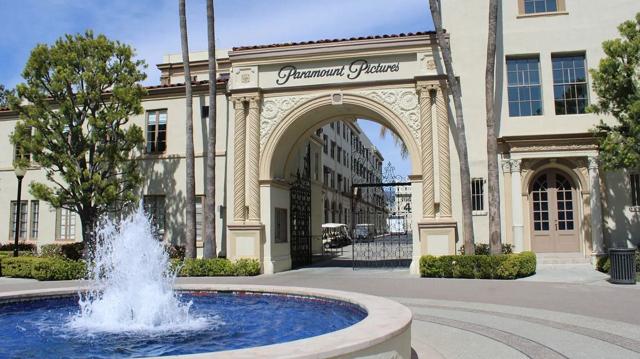
Paramount Skydance owns Paramount Pictures in Hollywood. Warner Bros. Studios is nearby in Burbank, Calif.
Reaction to the settlement came from Wayne Winegarden, a senior fellow in business and economics at Pasadena, Calif.-based Pacific Research Institute. He warned against the broader implications of the lawsuit.
"Do we really want the states as a secondary kind of antitrust cop on the beat?" Winegarden said during an interview with The Center Square. "And I think that this case demonstrates why that's kind of problematic."
"You don't want California having de facto ability to say what companies across the country can do. And the same way, you don't want Texas or Florida to have that right," Winegarden said. "... I mean, this is not a state issue. It's interstate commerce."
"It's actually a very good time to start asking these questions because I think it is problematic that you have to get all 50 state attorneys general to agree on a merger now," the economist told The Center Square. "That's a bad precedent."