Bill that would lower utility rates waiting for governor’s signature
Regional News

Audio By Carbonatix
2:47 PM on Monday, September 14
Madeline Shannon
(The Center Square) – A bill that would lower utility rates for California’s ratepayers by allowing rates to go down if residents use battery-powered or alternative devices passed the legislature this year and is on the governor’s desk.
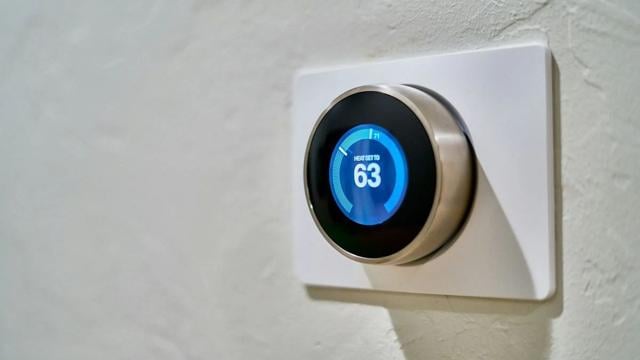
Senate Bill 913, authored by Sen. Josh Becker, D-Menlo Park, would allow the use of smart devices already in many homes across the state. This includes smart thermostats, home batteries and electric vehicles that can help support the grid, according to Becker.
“Californians are struggling with rising electricity bills, and we need to use our grid more intelligently and cost-effectively,” Becker said in the legislative analysis of the bill. “Instead of always building expensive new infrastructure to meet just a few peak hours of demand, we should be making better use of the resources we already have in our homes. SB 913 ensures we can use those resources to lower costs, reduce pollution, and improve reliability.”
Becker did not respond to The Center Square on Monday.
According to Becker’s office, the bill will allow devices many Californians already own to be competitive with traditional power sources and provide grid reliability at a lower cost. Demand for electricity is expected to grow by 61% over the next 20 years and the Golden State has faced increased pressure to expand the electrical grid capacity – leading to rising utility bills for ratepayers across the state.
Becker’s legislation removes barriers to enrolling home devices and allows compensation for energy that is exported back to the grid from residences. The bill received bipartisan support this year, seeing both Democrats and Republicans vote in favor of the legislation.
“We should make the most of the clean energy resources Californians have already invested in, from batteries to smart thermostats, and put them to work for our grid,” Sen. Tony Strickland, R-Huntington Beach, wrote to The Center Square on Monday. “By allowing these existing resources to help meet electricity demand, we can improve reliability, make better use of existing investments, and keep electric costs down for families as both Democrats and Republicans work to address the affordability crisis.”
According to the California Community Choice Association, Californians added 8,000 home batteries totaling 100 megawatts a month as of March 2026. A report from Washington, D.C.-based Edison Electric Institute shows that between 2015 and 2024, California has spent $1.3 trillion on building out more electric utility infrastructure, with additional expenditures between 2025 and 2029 expected to total $1.1 trillion.
Those who opposed the bill said that there is no guarantee that devices like smart thermostats and other devices in many California homes would increase the availability of adequate electrical resources, according to the bill analysis.
“Allowing [distributed energy resources] to count for full resource adequacy credit is problematic if the DERs are not operated or controlled by the [investor-owned utilities],” according to opposing statements from the Coalition of California Utility Employees. “There is no way to control third-party operation of them and imposing a penalty if the capacity is not delivered is not enough.”
Other groups that opposed the bill, like the Independent Energy Producers Association, did not respond to The Center Square on Monday.